Skip to content
POHNPEI
OCEAN CRUISE

HISTORY & CULTURE

History & Culture

Three thousand years of stories from the island that built Nan Madol.

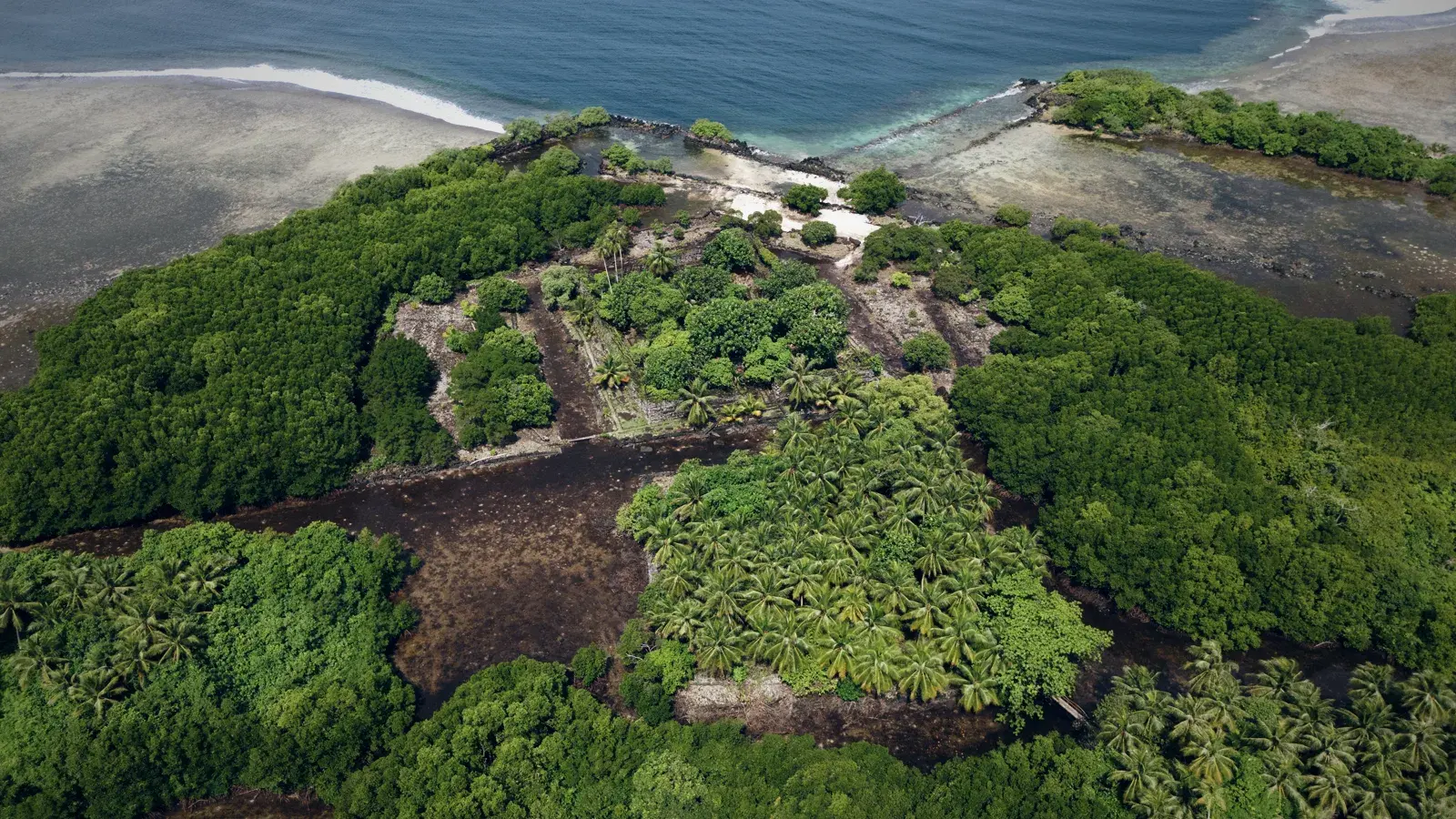
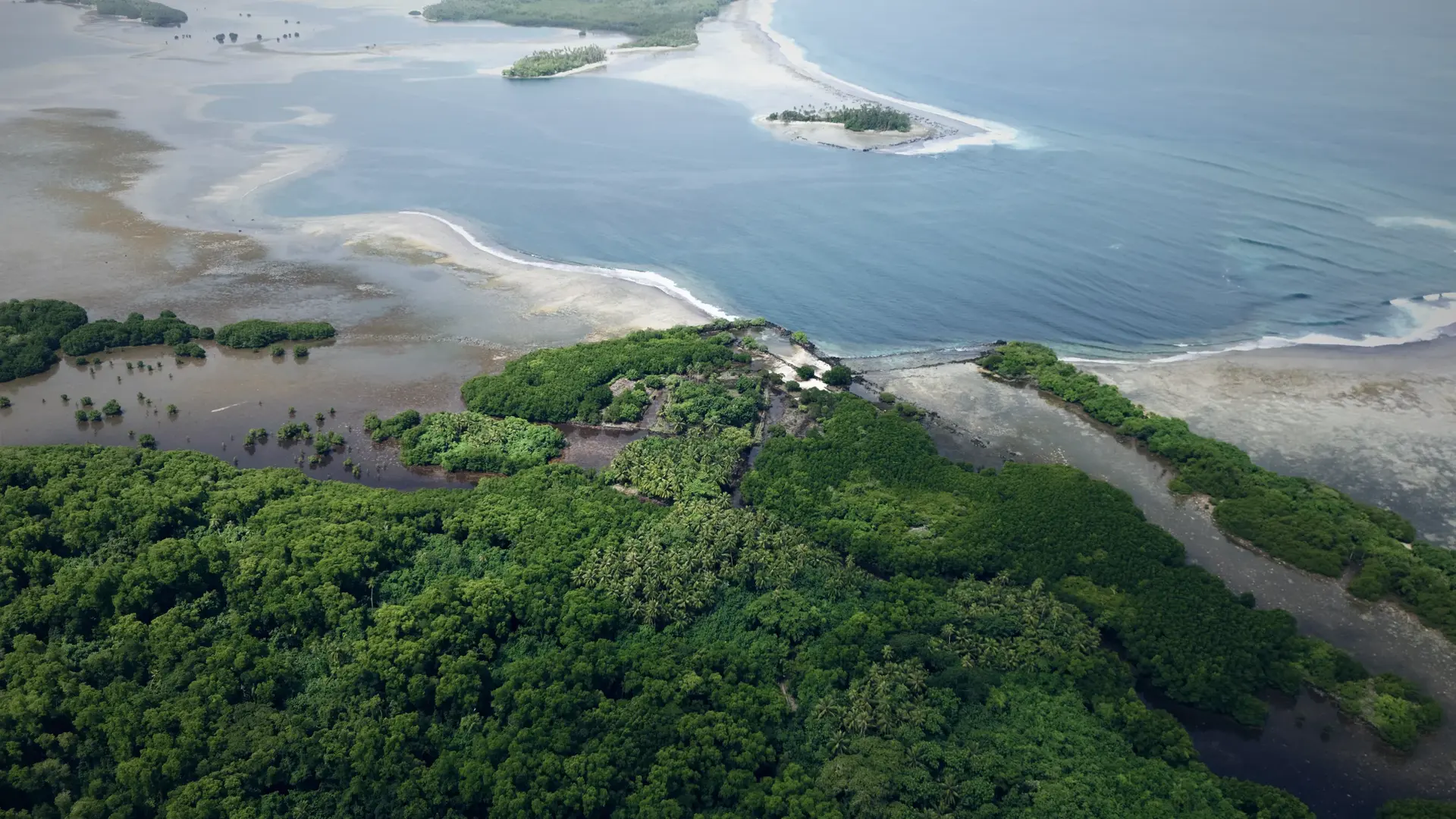
Pohnpei's appeal goes far beyond its beautiful seas and rainforests. Around 1,000 years ago, this island built Nan Madol — a vast stone city unlike anything else in the South Pacific — where kings ruled, people honored nature, and a distinctive culture flourished.

Later came Spanish, German, Japanese and American rule, leading to today's Federated States of Micronesia. For such a small island, the layers of history run remarkably deep.

Pohnpei also keeps countless myths and legends that history alone cannot tell. On this page, we present what research has established and what oral tradition still tells — clearly distinguished.

Pohn — upon.

Pei — a stone altar.

The island's name means "upon a stone altar" — a reading tied to the creation myth that the island itself was built upon an altar of stone (several interpretations of the etymology exist).
THREE ERAS

The Three Eras of Pohnpei

Pohnpei's traditional history is told in three great eras — a framework still widely used by modern researchers.

01Prehistory – c. 12th century

Mwehin Kawa

The era of building and settlement

The era when people first settled the island and built villages and altars. Archaeology confirms traces of life from around the 1st–2nd century CE, while oral tradition tells of ancestors who sailed from a distant land called Katau.

02c. 12th – early 17th century

Mwehin Sau Deleur

The era of the dynasty

The island was unified for the first time, and Nan Madol was built as its political and religious center. The vast stone city that survives as a World Heritage site is believed to have been developed by the Saudeleur dynasty.

03c. 17th century – today

Mwehin Nahnmwarki

The era of the chiefs

With the dynasty's fall came a decentralized society in which the chiefs of each district governed their own lands. This Nahnmwarki system continues today, playing a vital role in ceremony and community life.

MYTHS & LEGENDS

Myths & Legends Still Told Today

In an age without writing, the people of Pohnpei gathered around the fire and passed their history down through stories. What follows is not documented history, but three tales polished by generations of voices.

Story I

How the Island Began

Long ago, there was not even the shadow of an island here. Voyagers guided by the gods crossed the endless ocean and arrived at this place. They offered prayers, and upon the reef they piled stone and earth to build an altar for the gods.

Upon that stone foundation, soil gathered little by little, green shoots took root, and at last an island was born. People came to call it "Pohnpei — upon a stone altar." The island's very name carries this story of creation into the present.

Other tellings survive as well — in one, the ancestors sailed from a land to the east and built the first altar.

Story II

The Twin Sorcerers and the Flying Stones

One day, from Katau, a mythical land far to the west, twin brothers named Olisihpa and Olosohpa crossed the sea. Their mission: to build an altar for Nahnisohn Sahpw, the god of agriculture. The brothers traveled the island, choosing and rejecting site after site, until they settled on the reef off the island of Temwen.

But the altar called for basalt columns far too great for human hands. So the brothers quietly began to chant. The stones rose into the air of their own accord, crossed the sea like a flock of birds, and settled one after another upon the reef. Thus began the building of Nan Madol — the city on the sea later called the "Venice of the Pacific."

In some English-language tellings, a flying dragon carried the stones. Archaeology favors rafts and log rollers — yet how the multi-ton columns were stacked remains unsolved to this day.

Story III

Isokelekel and the Dynasty's Twilight

At the height of its glory, the Saudeleur dynasty grew neglectful of the gods — above all of Nahn Sapwe, the god of thunder. Angered, the thunder god left the island for Katau in the east. There, to a mortal woman, a child of divine blood was born: Isokelekel.

When he came of age, Isokelekel crossed the sea with 333 companions. Traveling the island, he won the hearts of its people, until at last he faced the dynasty in battle at Nan Madol itself. After a long war the dynasty fell, and a new age came to the island.

As king, Isokelekel chose not to rule all things alone. He placed chiefs in each district, each governing their own lands — the beginning, so the story goes, of the Nahnmwarki system that continues four hundred years later.

The last Saudeleur turned into a fish and fled — or threw himself into a river; the ending differs with each teller. Even "333" is thought to be symbolic rather than literal.

There is no need to ask which telling is true. Each story has been treasured and handed down in its own community. On Pohnpei, myth is not a thing of the past — it lives on with the people.

MYSTERIOUS RUINS

Petroglyphs, Sleeping in the Valley

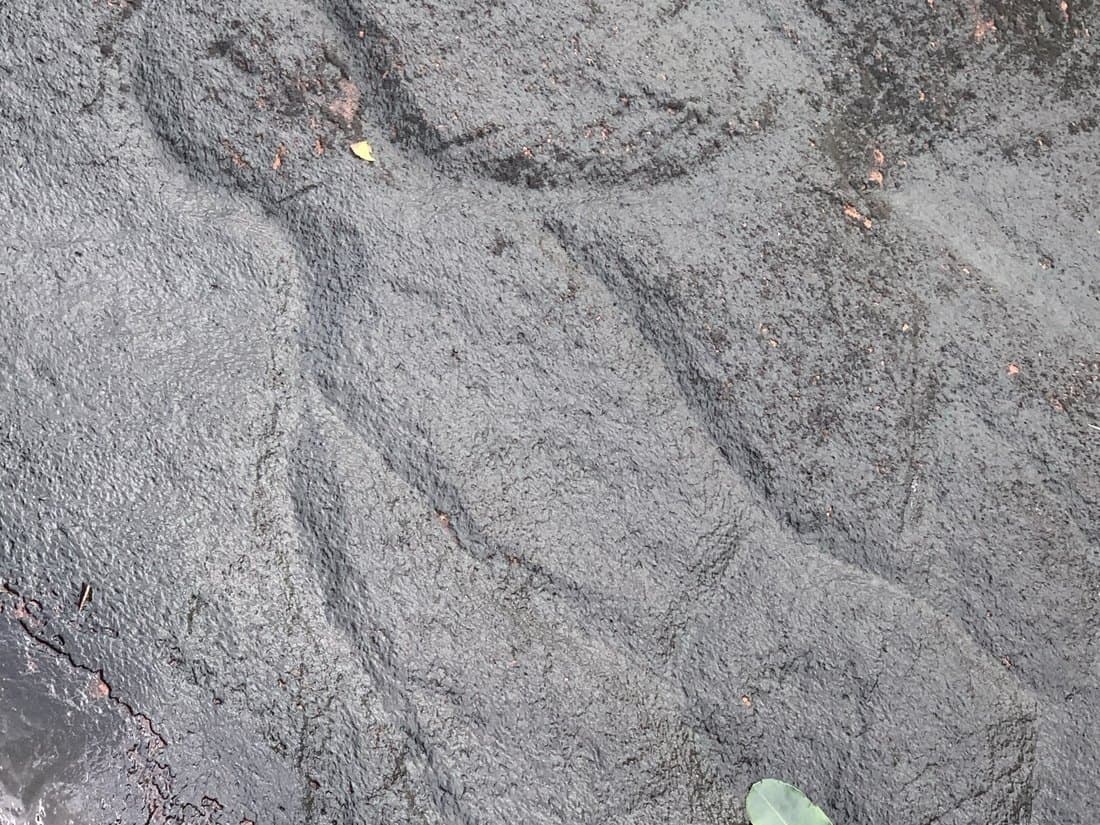
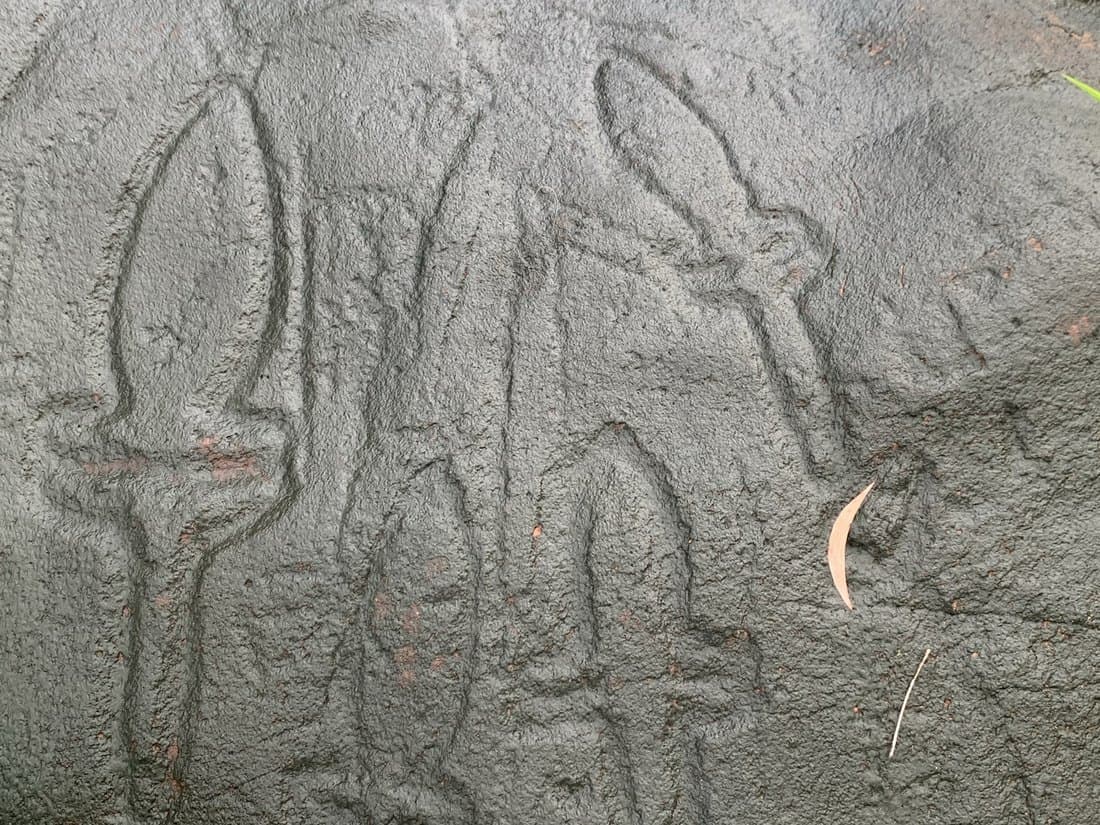
Deep in the jungle, spiral patterns and fish-like shapes are carved into moss-covered rock. Who carved them, when, and why is barely recorded — even among people on the island, the details remain a mystery.

Far less known than Nan Madol, this site quietly carries whatever message people without writing once entrusted to stone.

A spiral pattern carved into rock
A serpent-like carving on the rock face
A fish-like shape carved into the petroglyph

WORLD HERITAGE

Nan Madol Through Archaeology

The mystery of its construction, life under the dynasty, and the highlights of the ruins — our dedicated page explores the World Heritage site of Nan Madol in depth.

Visit the Nan Madol page

TIMELINE

Three Thousand Years at a Glance

From first settlement to World Heritage listing.

  1. c. 1000 BCE –

    First Settlement

    Austronesian peoples are thought to have begun settling the island. Oral tradition tells of ancestors who sailed from a land called Katau.

  2. 8th–9th century

    Artificial Islets

    Construction of artificial islets begins on the reef around Nan Madol.

  3. 12th–15th century

    Height of the Saudeleur Dynasty

    The island is unified and megalithic construction flourishes. Nan Madol thrives as the political and religious center.

  4. 16th–17th century

    Rise of the Nahnmwarki

    The age of the Isokelekel legend. The dynasty falls, and the chief-led society that continues today takes shape.

  5. 1595

    First European Contact

    Spanish navigator Quirós records his visit. Whalers, traders and missionaries follow in the 19th century.

  6. 1886

    Spanish Rule

    Pohnpei becomes a Spanish colony. The stone "Spanish Wall" still stands in Kolonia today.

  7. 1899

    German Rule

    The Caroline Islands are sold to Germany. Roads are built, but forced labor sparks the Sokehs Rebellion in 1910.

  8. 1914

    Japanese Rule

    After occupation by the Japanese navy, Pohnpei becomes part of the South Seas Mandate. Schools, hospitals and roads are built, and many Japanese settle on the island.

  9. 1947

    U.S. Trusteeship

    After World War II, Pohnpei comes under American administration as a UN trust territory.

  10. 1979

    Federated States of Micronesia

    Pohnpei, Chuuk, Yap and Kosrae form a federation. The capital, Palikir, is located on Pohnpei.

  11. 1986

    Independence

    The Compact of Free Association with the United States takes effect, and the nation begins a new chapter.

  12. 2016

    Nan Madol Becomes World Heritage

    Inscribed as a World Heritage site symbolizing Pacific island civilization — and simultaneously listed as endangered, with conservation work ongoing.

Dates are approximate; several theories exist.

SAKAU CEREMONY

The Sakau Ceremony

Kin, kon.

Kin, kon.

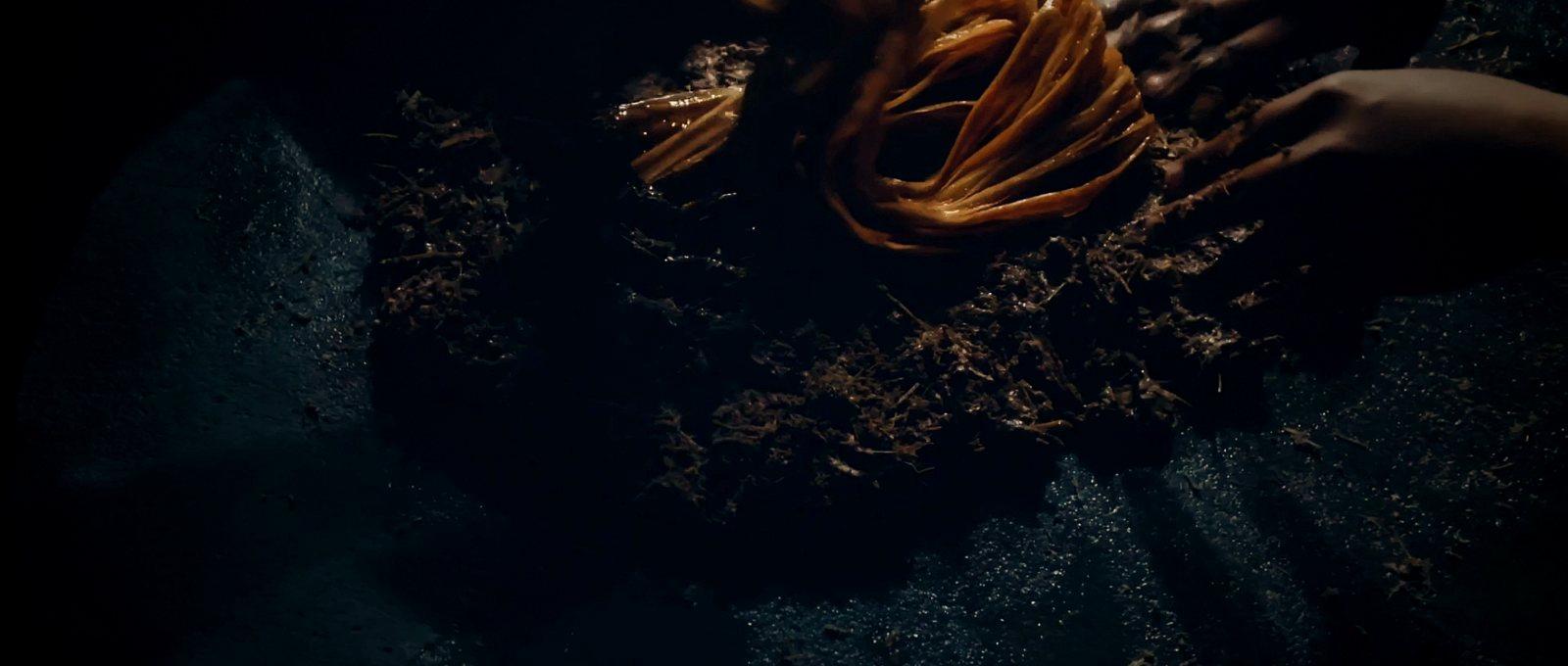
Pounding sakau root on the peitehl and layering hibiscus bark — an actual ceremony

The root of a pepper-family plant is pounded on a great stone called a peitehl. Echoing through the quiet of the forest, that sound is the island's heartbeat, unchanged for centuries.

Mixed with water and strained through hibiscus bark, sakau is a sacred drink essential to ceremony and important gatherings. It is not for intoxication, but for facing one another and sharing time — harvests, weddings, welcomes, apologies: every milestone of life has its sakau ceremony.

LIVING CULTURE

History Lives in Daily Life

On Pohnpei, history is not kept behind museum glass. Values and traditions more than a thousand years old still breathe in everyday life.

A presentation ceremony to the chiefPhoto coming soon
01

The Nahnmwarki System

Each district still has its traditional chief, central to ceremony and community life. The land's bounty is presented to the chief and shared back with the community. Abundance is not something to keep — it is something to circulate. That value quietly lives on today.

Yams decorated with fern leavesPhoto coming soon
02

The Yam Harvest Festival

Every October, giant harvested yams are dressed with fern leaves and presented to the chiefs. People gather to celebrate the year's bounty and share their gratitude — one of Pohnpei's signature traditions, where the bond between nature and people is felt firsthand.

Islanders welcoming a traveler under the eavesPhoto coming soon
04

A Culture of Welcome

People smile as they pass, and if a squall catches you, a family will wave you under their eaves and offer you a chair as a matter of course. This is not tourist-town hospitality. Connecting naturally and respecting one another is simply daily life on this island.

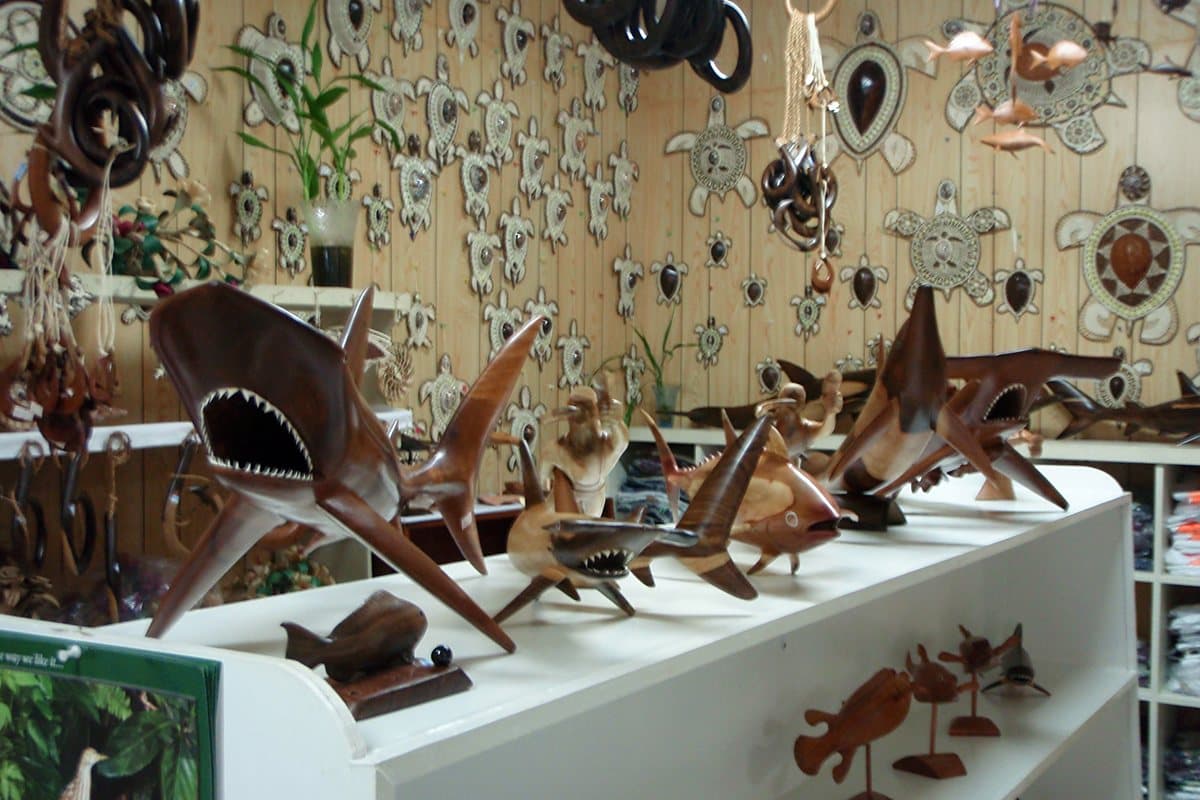
Hand-carved wooden fish and sharks on display
05

Handcrafts & Dance

In the village founded by settlers from Kapingamarangi, carvings and baskets are still made one by one by hand. At celebrations, dancers adorned with palm leaves and flowers perform stories of myth and gratitude to nature. Here is a warmth that mass production can never create.

Pohnpei pepper berriesPhoto coming soon
06

Pohnpei Pepper

Fertile volcanic soil and more than 5,000 mm of rain a year — the island's natural conditions grow some of the world's most aromatic pepper. Farms on the island welcome visitors to see the process from cultivation to drying, and a jar makes a popular souvenir.

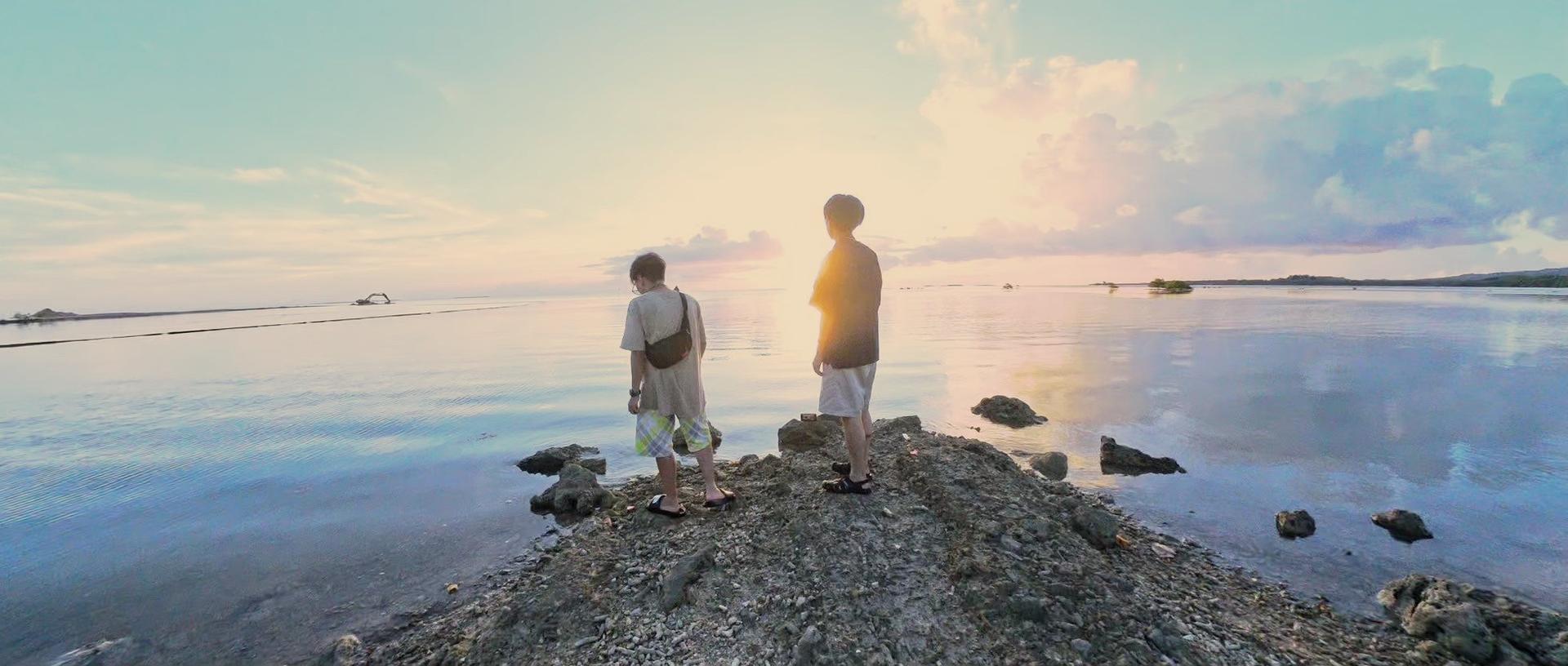
Doing nothing, the finest luxury — a Pohnpei sunset.

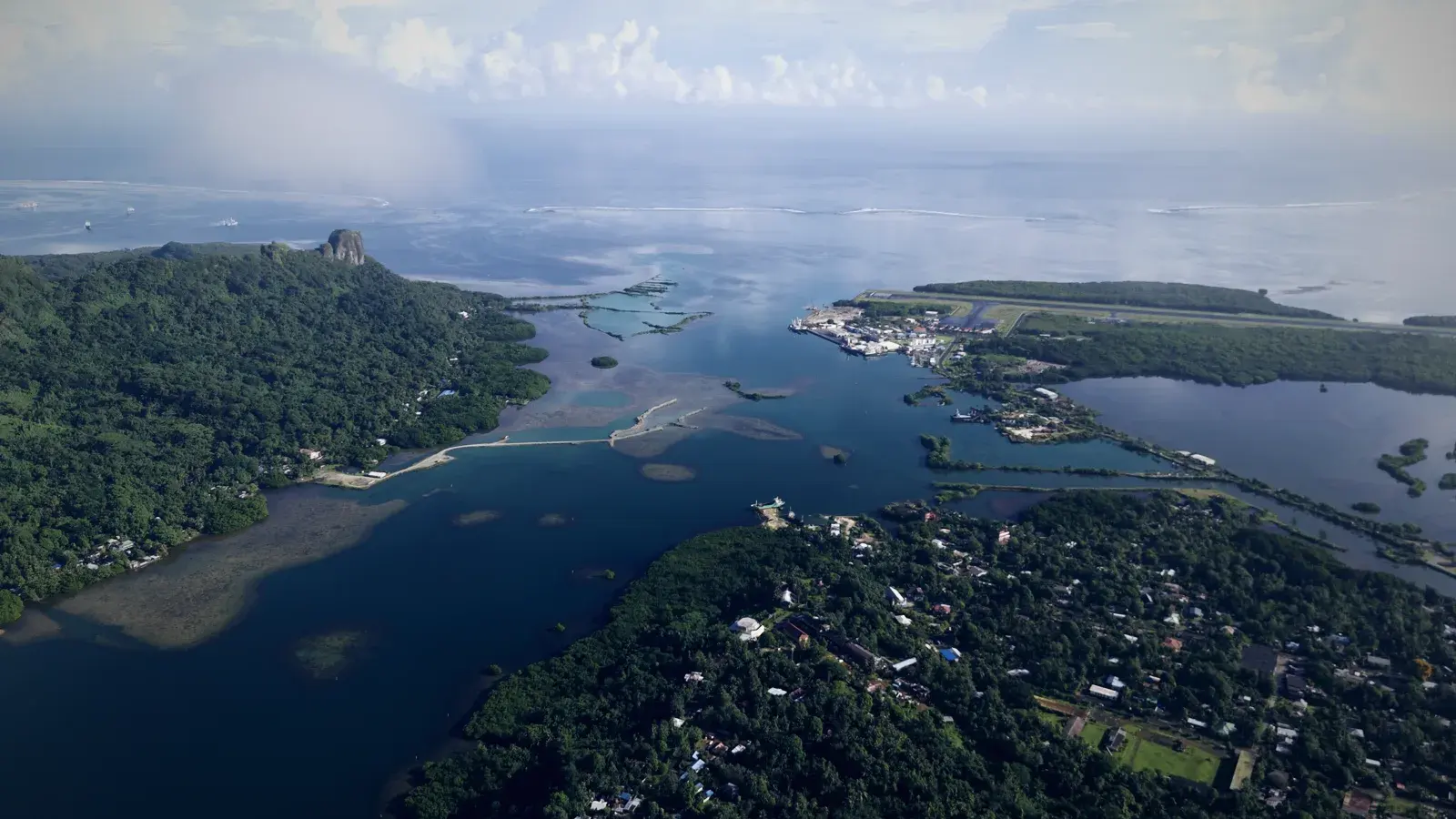
Aerial view of the town and harbor of Kolonia

JAPAN & POHNPEI

Ties with Japan

The memory of some thirty years of Japanese administration remains part of Pohnpei today — roads built in that era, remnants of buildings, Japanese loanwords in everyday speech, and families with Japanese roots.

This long history of exchange between Japan and Pohnpei is part of why Pohnpei Ocean Cruise can guide you around the island in Japanese.

Learn more

Know the history, and the journey comes alive.

Walking Nan Madol. Tasting sakau. Gazing at the Spanish Wall and tracing the Japanese era. These are not separate sights — they are joined by a single thread of history.

At Pohnpei Ocean Cruise, our guides share not only the ruins and scenery, but the history, culture and living stories behind them.